
"Wood Fruit"
1000 article(s) found

Coffee common sense charcoal roasted coffee is black coffee roasted by charcoal fire
The roasting method of charcoal coffee is a unique coffee roasting method in Japan. The coffee is soft and mild, with charcoal aroma that is characteristic of this baking. The disadvantages of using charcoal to bake coffee: the cost of using charcoal is higher than that of gas, the production is small, and it is difficult to adjust the firepower of charcoal. It is better to use long fruit wood carbon; bamboo charcoal has stronger firepower and far infrared than charcoal. Charcoal burning and gas baking coffee beans, there are very large

Fragrant and persistent Yemeni boutique coffee beans introduce Yemeni mocha coffee
There are many varieties of Yemeni coffee, most of which are named after their origin and type, with different flavors, such as fresh wood, tobacco, musk, fruit wine, roasted nuts, cocoa and warm seasonings, especially Moha coffee. At present, Yemeni Moha coffee is the most famous Yemeni Moha coffee on the market, such as Isemary, Matari, Sanani and so on. Sanani coffee has medium grain size and fruit wine style.

Flavor description treatment of Ethiopian coffee beans with very light flavor characteristics
Production area: Sidamo varieties: Native Arabica treatment: washing flavor: moderate sweet and sour sun berry aroma, citrus aroma, slightly fermented fruit aroma, fruit wine flavor. Palate: comfortable and interesting sour fruit, good sweetness and low thickness. Baking degree: medium baked Ethiopia Sidamo G2 (Ethiopia Sidamo G2): Sidamo production area is located in Ethiopia

The taste of coffee is briefly introduced. There are as many as 18 kinds of smell.
The taste of coffee generally includes three aspects: smell, taste and taste. There are 18 kinds of odors: animal, ash, coke, chemicals, chocolate, caramel, roasted sweet potato, earth, flowers, fruit, grass and vegetables, almonds, sour rot, rubber, spicy, tobacco, wine, wood. The most basic tastes are: sour and bitter
The taste of 18 kinds of multi-scented coffee comment on the basis of coffee
The taste of coffee generally includes three aspects: smell, taste and taste. There are 18 kinds of odors: animal, ash, coke, chemicals, chocolate, caramel, roasted sweet potato, earth, flowers, fruit, grass and vegetables, almonds, sour rot, rubber, spicy, tobacco, wine, wood. The most basic tastes are: sour and bitter

13 Unique Uses of Coffee
Drinking coffee is already a habit of life, the daily drinking of coffee is made with coffee beans with a variety of different cooking appliances, and coffee beans refer to the nuts in the coffee tree fruit, and then baked with appropriate baking methods. Coffee is a drink made from coffee beans ground into powder and brewed with hot water. It tastes bitter, but it has a special aroma, which is West.
Coffee 18 Flavors
Animal, soot, burnt, chemical, chocolate, caramel, baked sweet potato, earthy, floral, fruity, grassy, almond, sour, rubbery, spicy, tobacco, wine, wood

Is the Yemeni mocha good? the history of the Yemeni mocha
Professional coffee knowledge exchange more coffee bean information please follow coffee workshop (Wechat official account cafe_style) Yemeni mocha coffee Yemen mocha coffee is described as lively, even a little wild. The pleasant wild Yemeni mocha has dried cinnamon, cardamom and dried fruits (such as raisins), with occasional flavors of tobacco, wood, roasted nuts or sweet spices. When mocha beans are deeply roasted

Introduction to the flavor, taste and quality of coffee beans
There are 18 kinds of odors: animal, ash, coke, chemicals, chocolate, caramel, roasted sweet potato, earth, flowers, fruit, grass and vegetables, almonds, sour rot, rubber, spicy, tobacco, wine, wood. The most basic flavors are sour, bitter and sweet. Sour taste is a basic flavor of coffee, which is composed of organic acids.

China Coffee Network recommends the taste of roasted coffee coffee smell, taste and taste of coffee
The taste of coffee generally includes three aspects: smell, taste and taste. There are 18 kinds of odors: animal, ash, coke, chemicals, chocolate, caramel, roasted sweet potato, earth, flowers, fruit, grass and vegetables, almonds, sour rot, rubber, spicy, tobacco, wine, wood. The most basic tastes are: sour and bitter
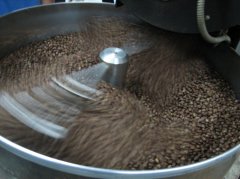
There are chocolate color, grain type, complete Yemeni coffee flavor, characteristics, taste and manor
Yemeni coffee originated from Arabian coffee trees hundreds of years ago, all produced in areas above 3000 feet above sea level. For hundreds of years, the unique planting and production methods of Yemeni coffee have remained almost unchanged. The seedlings of Yemeni coffee trees are first cultivated in nurseries and then transplanted to high elevations. Pesticides and fertilizers are not used in the breeding process. Mature coffee beans are naturally dried on coffee trees and shelled by stone grinding.

Introduction to the Flavor description characteristics of Fine 90 + Honey Kiss Coffee
Honey Kiss 90 + Coffee in 2009, this coffee was named after Nectar from Shakisso, meaning it has the same flavor as nectar from Ethiopia. Nekisse is characterized by a creamy and smooth taste, a strong berry sauce, and some batches even have a mixture of chamomile and a variety of tropical fruits. Although it was originally planted in Shakisso producing areas,

Introduction to the manor of Yemeni boutique coffee beans with rich and long-lasting flavor
There are many varieties of Yemeni coffee, most of which are named after their origin and type, with different flavors, such as fresh wood, tobacco, musk, fruit wine, roasted nuts, cocoa and warm seasonings, especially Moha coffee. At present, Yemeni Moha coffee is the most famous Yemeni Moha coffee on the market, such as Isemary, Matari, Sanani and so on. Sanani coffee has medium grain size and fruit wine style.
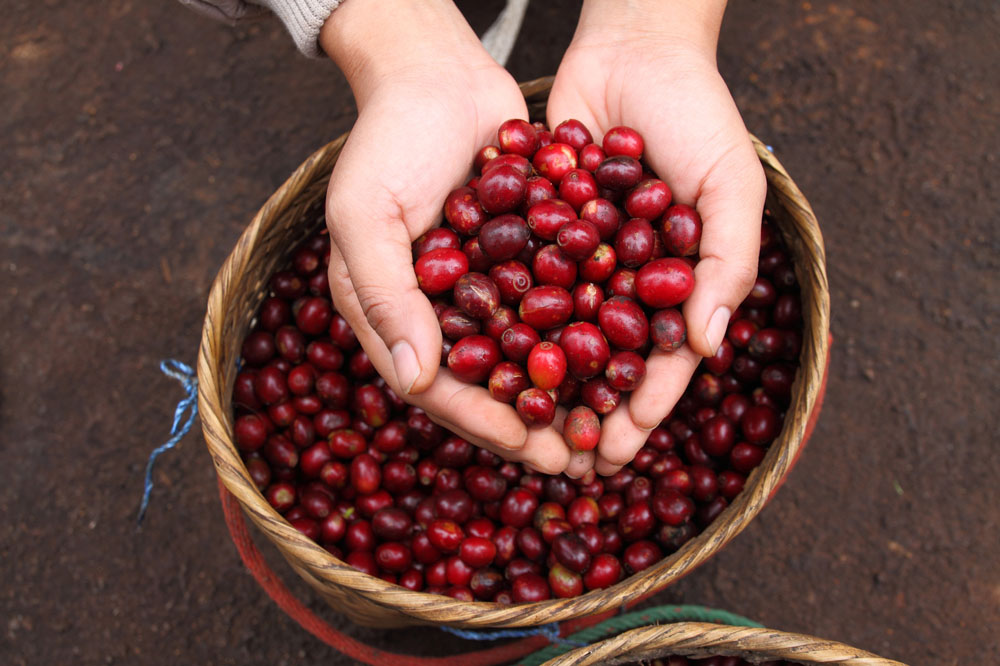
Chocolate color, grain type, complete Yemeni coffee flavor, character, taste and manor
Yemeni coffee is derived from hundreds of years old arabica coffee trees, all grown at altitudes above 3000 feet. For hundreds of years, the cultivation and production methods specific to Yemeni coffee have remained almost unchanged. Coffee seedlings are first cultivated in nurseries and then transplanted to high altitudes. No pesticides or fertilizers are used in the cultivation process. After maturity, coffee beans are naturally dried on coffee trees and shelled by stone mills.

Flavor Unique Grain Type Complete Yemeni Coffee Flavor, Character, Taste and Manor
Yemeni coffee is derived from hundreds of years old arabica coffee trees, all grown at altitudes above 3000 feet. For hundreds of years, the cultivation and production methods specific to Yemeni coffee have remained almost unchanged. Coffee seedlings are first cultivated in nurseries and then transplanted to high altitudes. No pesticides or fertilizers are used in the cultivation process. After maturity, coffee beans are naturally dried on coffee trees and shelled by stone mills.

Stories and allusions of fine coffee beans treated with Kaddura red wine at Hartmann Manor in Panama
The exchange of professional baristas please follow the coffee workshop (Wechat official account cafe_style) Hartman Manor introduces Hartman's story is as legendary as its coffee. Hartman Manor is located in Chilidge, Santa Clara. The founder is called Mr.Alois St. Hartmann (Luis Hartmann). He was born on June 20, 1891 in Austria and Hungary.

Yemeni Coffee with different flavors the characteristics of manor producing area introduce Yemeni coffee brands
There are many varieties of Yemeni coffee, most of which are named after their origin and type, with different flavors, such as fresh wood, tobacco, musk, fruit wine, roasted nuts, cocoa and warm seasonings, especially Moha coffee. At present, Yemeni Moha coffee is the most famous Yemeni Moha coffee on the market, such as Isemary, Matari, Sanani and so on. Sanani coffee has medium grain size and fruit wine style.

There is also an introduction to the sweet Yemeni mocha coffee in the southern red seaside coffee producing area.
There are many varieties of Yemeni coffee, most of which are named after their origin and type, with different flavors, such as fresh wood, tobacco, musk, fruit wine, roasted nuts, cocoa and warm seasonings, especially Moha coffee. At present, Yemeni Moha coffee is the most famous Yemeni Moha coffee on the market, such as Isemary, Matari, Sanani and so on. Sanani coffee has medium grain size and fruit wine style.

Fragrant and persistent Yemeni Coffee introduction to Yemeni Fine Coffee beans Flavor and Taste Manor
There are many varieties of Yemeni coffee, most of which are named after their origin and type, with different flavors, such as fresh wood, tobacco, musk, fruit wine, roasted nuts, cocoa and warm seasonings, especially Moha coffee. At present, Yemeni Moha coffee is the most famous Yemeni Moha coffee on the market, such as Isemary, Matari, Sanani and so on. Sanani coffee has medium grain size and fruit wine style.

A brief introduction to the flavor and taste of Kenyan hand-brewed coffee what is the proportion of Kenyan hand-brewed gold
Professional coffee knowledge exchange more coffee bean information please follow the coffee workshop (Wechat official account cafe_style) front street Kenya asali hand-flushing ratio sharing [Kenya asali] production area: Kenya Sika Thika processing Plant: Asali Honey processing Plant altitude: 15501750 meters Classification: AA TOP varieties: sl-28,sl-34 treatment: Kenya 72 hours washing this one